Out-of-Hours Security for Industrial Sites: Patrols, Alarms and Keyholding

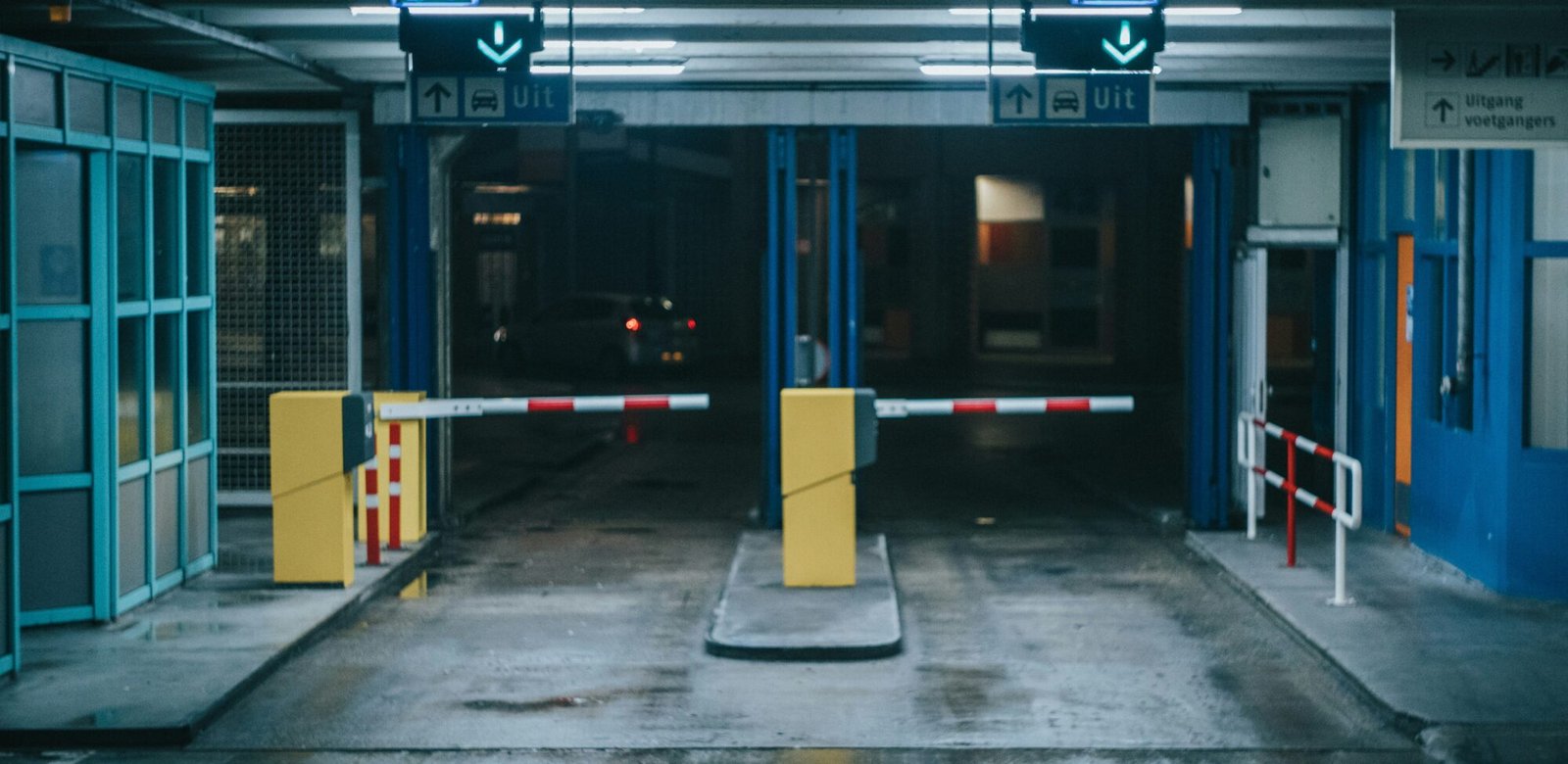
Industrial sites are typically busiest during the working day and emptiest exactly when they’re most vulnerable — evenings, weekends and holiday periods. Out-of-hours security isn’t an add-on to a daytime security plan; for many warehouses and yards, it’s the part that matters most.
Why out-of-hours risk is different
An empty site removes the biggest deterrent there is: people. Without staff on-site, an intruder has far more time to work unnoticed, and a triggered alarm is only useful if someone can respond to it quickly. Plant theft in the UK has long been estimated to cost around £1 million a week industry-wide, with the vast majority of stolen equipment never recovered — a reminder that prevention and rapid response matter far more than post-incident investigation.
Mobile patrols: visible, unpredictable coverage
Mobile patrols are one of the most cost-effective ways to cover a large industrial site out of hours. A marked vehicle and uniformed officer conducting scheduled but randomised checks deters opportunistic break-ins far more effectively than an empty, unguarded yard, without the cost of a permanent static officer. Patrols can check perimeter fencing, gates, loading bays and any areas flagged as higher risk.
Alarm systems need a response plan, not just a siren
An alarm that nobody responds to is close to useless — it may deter briefly, but it does nothing to stop a determined intruder or recover stolen goods once they’ve fled. A proper out-of-hours plan pairs alarm systems with a guaranteed response time from a monitoring provider, so a triggered alert reliably brings someone to the site within minutes, not whenever a manager happens to check their phone.
Why keyholding matters
Keyholding means a professional security provider, not a member of your own staff, holds keys and attends the site when an alarm activates. This matters for two reasons: it removes the burden and personal risk from staff members who would otherwise have to attend alone at night, and it ensures a trained, SIA-licensed responder is the one assessing the situation, deciding whether to enter the building, and involving police if needed.
Combining CCTV with a human response
CCTV and remote monitoring extends the reach of an out-of-hours plan by giving a control room eyes on the site continuously, verifying alarms before dispatching a response, and providing evidence if an incident does occur. Verified alarms also tend to get a faster police response than unverified ones, since police forces prioritise incidents with visual confirmation.
Putting it together
A well-designed out-of-hours plan for an industrial site typically combines:
- CCTV coverage of all entry points and high-value storage areas
- Scheduled, randomised mobile patrols during the highest-risk hours
- Monitored alarms with a guaranteed response time
- Professional keyholding, so no staff member is ever the one attending alone
For the daytime side of industrial security planning, see our companion guide: Industrial Site Security: Protecting Warehouses, Factories and Yards.
Cover your site around the clock
Alpha Europe Security provides SIA-licensed mobile patrols, keyholding and alarm response, and CCTV and remote monitoring for industrial sites across the UK. Contact us to build an out-of-hours plan for your site.